
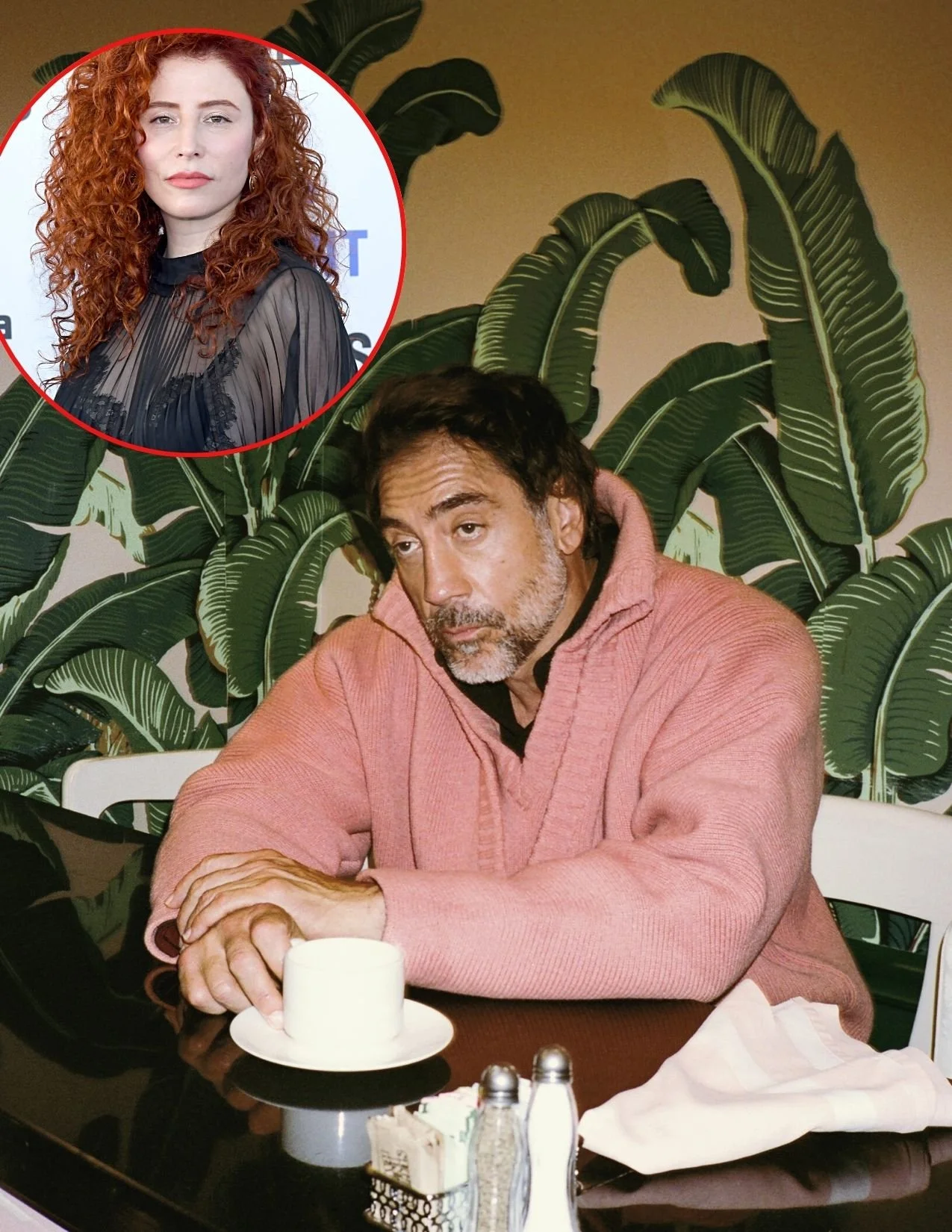
Hollywood actor Javier Bardem, one of the entertainment industry's most outspoken pro-Palestinian activists, is facing questions about his commitment to boycotting Israeli film institutions after signing on to star in a major new movie directed by Israeli filmmaker Alma Har’el.
The Oscar-winning actor has joined the cast of Wet, an upcoming yacht-set family drama featuring Rebecca Ferguson, Connor Storrie, Odessa A’zion, Rosalía, and Lukas Haas.
Lionsgate has acquired distribution rights in North America and the United Kingdom, with production scheduled to begin in 2027.
But the casting announcement is attracting attention for reasons beyond the star-studded lineup.
The Boycott That Raises Questions
In September 2025, Bardem joined thousands of entertainment professionals in signing a pledge organized by Film Workers for Palestine, committing to boycott Israeli film institutions and production companies accused by the organizers of complicity in human rights abuses against Palestinians.
Bardem also appeared at the Emmy Awards wearing a keffiyeh and publicly defended the boycott, declaring that he could not work with companies he believed were supporting or justifying Israel's actions in Gaza.
Now, just over a year later, Bardem is preparing to work on a major Hollywood production directed by an Israeli filmmaker.
For critics of Hollywood's cultural boycotts, the announcement raises an obvious question:
If collaborating with Israeli film institutions is a matter of moral principle, how does Bardem decide which Israeli creative partnerships are acceptable?
Is This Hypocrisy or a Distinction Worth Making?
There is an important detail in Bardem's original pledge.
The boycott specifically targets institutions and companies accused of complicity, rather than Israeli individuals simply because of their nationality.
That distinction matters. Working with Har’el does not, by itself, establish that Bardem has violated his pledge.
Har’el has also publicly criticized Israeli military actions in Gaza, meaning the two filmmakers may share similar political views despite their different national backgrounds.
Nevertheless, the collaboration highlights the complexities of turning political convictions into cultural boycotts.
Bardem has been willing to make sweeping public statements about refusing professional relationships with institutions connected to Israel. His latest project demonstrates that those boundaries are more selective than some audiences may have understood.
Hollywood's Boycott Debate Comes Full Circle
Har’el is an accomplished Israeli filmmaker whose work includes Honey Boy and Lady in the Lake. Her career demonstrates the international reach of Israeli artists, even amid growing efforts to isolate parts of the country's cultural industry.
The controversy surrounding Bardem's casting also raises a larger question about artistic freedom.
Should filmmakers be judged by their nationality, the policies of their governments, or their own actions and professional relationships?
And if international collaboration is acceptable when artists share political views, how consistently should cultural boycotts be applied?
Bardem's participation in Wet is proof that his boycott was just more Hollywood virtue signaling, cause once a check was cut he was over it.
For an actor who has made his political convictions such a prominent part of his public identity, explaining those boundaries may be just as important as announcing them.
