
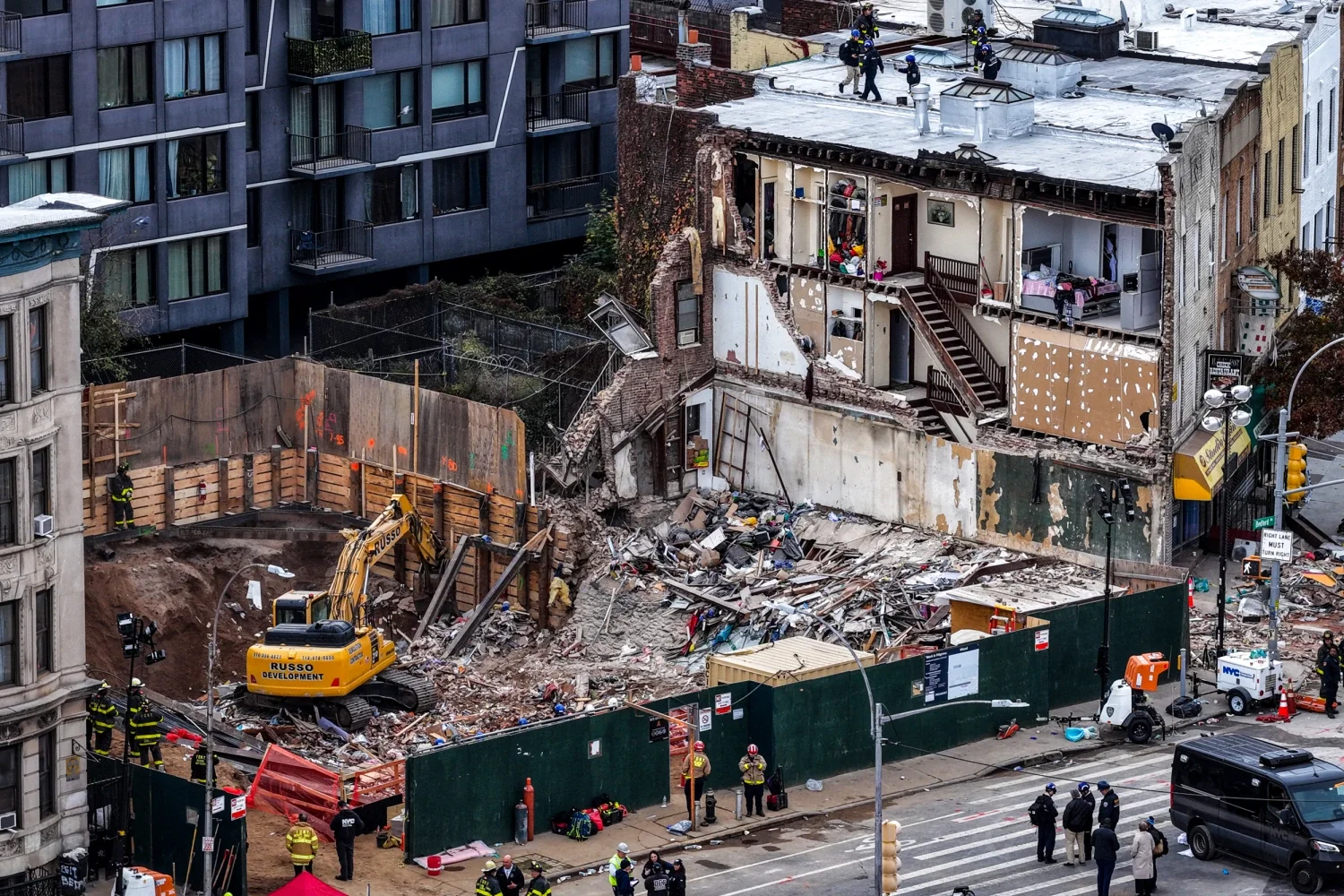
8 people died in Brooklyn from collapse after DOB failed to shutdown dangerous worksite.
Eight New Yorkers are dead, including two children, following a devastating building collapse in Brooklyn. The tragedy raises urgent questions about how New York City protects tenants, enforces building safety rules, and ensures aging properties receive necessary repairs.
The three-story building at 1321 Flatbush Avenue collapsed into a neighboring construction site on November 11.
According to reporting by CBS New York, the property had 98 open housing violations, including complaints involving leaks, bedbugs, and other maintenance problems.
Even more concerning, the Department of Buildings had previously issued a stop-work order at the neighboring construction site. Inspectors later discovered work had resumed in violation of that order.
The city eventually lifted the order after the cited conditions were corrected.
How does a construction site with a documented history of safety violations become the scene of a deadly collapse?
The tragedy also brings renewed attention to a larger problem facing New York's housing market.
Maintaining older apartment buildings requires money. Structural repairs, plumbing, electrical systems, insurance, and labor are expensive, and those costs continue to rise.
Landlords argue that rent freezes and restrictions on recovering renovation expenses can make it harder to finance major repairs, particularly in older rent-stabilized buildings.
No money, no repairs. And the end result will now be that building owners will be forced to sell with charity organizations funded by the city, with no experience in managing a building, taking over.
Affordable housing cannot simply mean keeping rents low.
It must also mean keeping buildings safe.
The city needs to explain how its housing policies support necessary investment in maintenance while ensuring landlords fulfill their legal obligations.
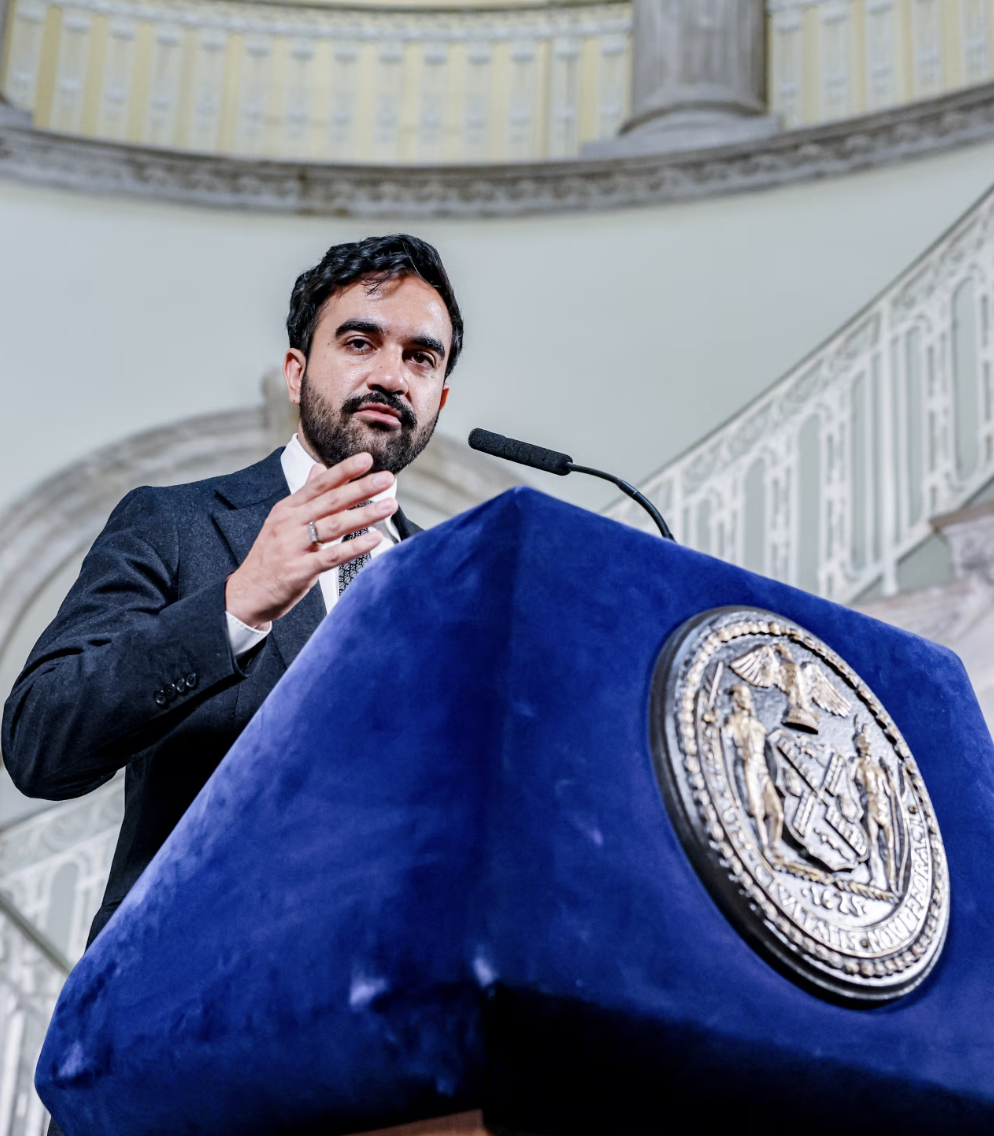
Mamdani continues to push policies which make buildings less safe by preventing home owners from making money. He then refuses accountability for how he’s failing New Yorkers on affordable housing.
And the Department of Buildings must answer questions about its oversight of construction sites that put neighboring residents at risk. In the end, this falls on Mamdani who is responsible for making sure this department is doing it’s job, something which doesn’t seem to be happening in Brooklyn.
The Brooklyn collapse exposes the stakes of a broader housing debate that cannot be reduced to landlords versus tenants.
New Yorkers deserve affordable homes, financially sustainable buildings, and effective safety enforcement.
No tenant should have to choose between being able to afford their apartment and being safe inside it, but the Mayor continues to be on the wrong side of this debate.
