
The Myth of The First "Black" President
How the Democrats marketed a biracial Kenyan American as the face of Foundational Black progress in America and why the con still works today.
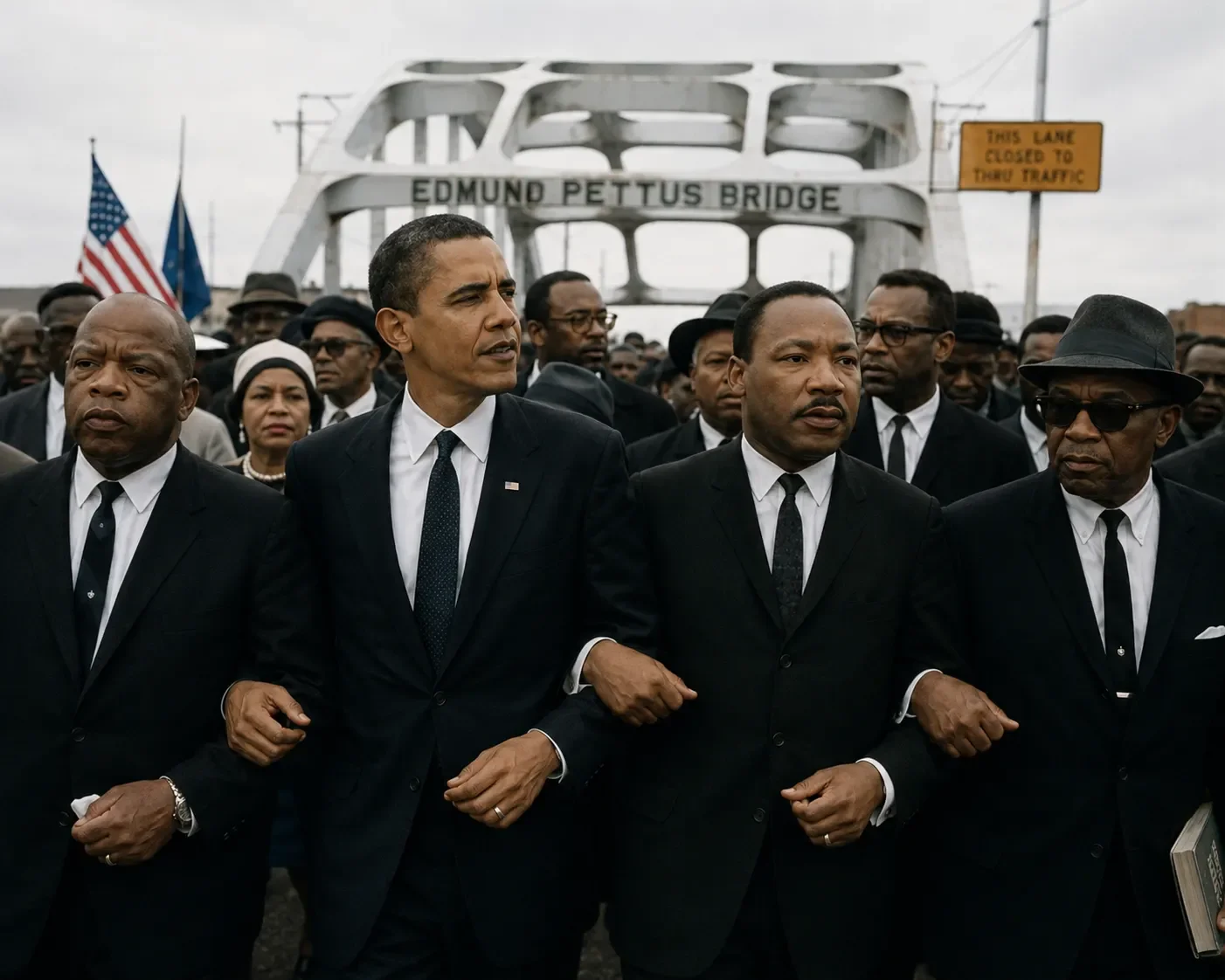
For nearly two decades, the Democratic Party and much of the media repeated the same phrase so often that it became political scripture: Barack Obama was America’s “first Black president.” The slogan carried emotional power, historical symbolism, and cultural weight. To many Americans, his election represented the closing of a painful chapter in the nation’s racial history. But beneath the celebration was a deeper question that rarely received honest discussion: what exactly did America mean when it called Obama “Black,” and who exactly benefited from that framing?
For many Foundational Black Americans, the descendants of enslaved Africans brought to the United States through the transatlantic slave trade, Black identity is not simply a matter of skin color. It is a specific historical lineage shaped by slavery, Jim Crow, segregation, redlining, broken promises, and generations of cultural survival inside the United States. It is an identity rooted in a uniquely American experience. Critics of the “first Black president” narrative argue that Democrats deliberately blurred this distinction, presenting Obama’s appearance as enough to symbolize Black America while avoiding more difficult conversations about the political and economic debt owed to the descendants of slavery.
Barack Obama’s background was different from that of most Black Americans whose families endured centuries of American racial oppression. He was raised primarily by his white mother and white grandparents in Hawaii and later attended elite institutions before entering politics. His father was Kenyan, not a descendant of American slavery, but actually a beneficiary of slavery as Kenya was an African port where Europeans and Arabs would purchase enslaved Africans from neighboring tribes. To many white supporters, this did not diminish Obama’s Blackness and many were quick to call President Donald Trump “racist” for questioning his birthright. But to others, especially within Foundational Black American discussions, it raised an uncomfortable point: being a Black American descendant of slavery is not the same thing as being a Kenyan immigrant or the child of immigrants.
This distinction matters because the historical experiences are not interchangeable.
The descendants of slavery in America carry generational consequences tied to specific policies and historical trauma: slave codes, Reconstruction failures, lynching, segregation, exclusion from New Deal programs, discriminatory housing practices, mass incarceration, and systemic wealth extraction. Critics argue that Obama’s personal story did not emerge from that lineage in the same manner many Black Americans expected from someone being elevated as a symbolic representative of their struggle.
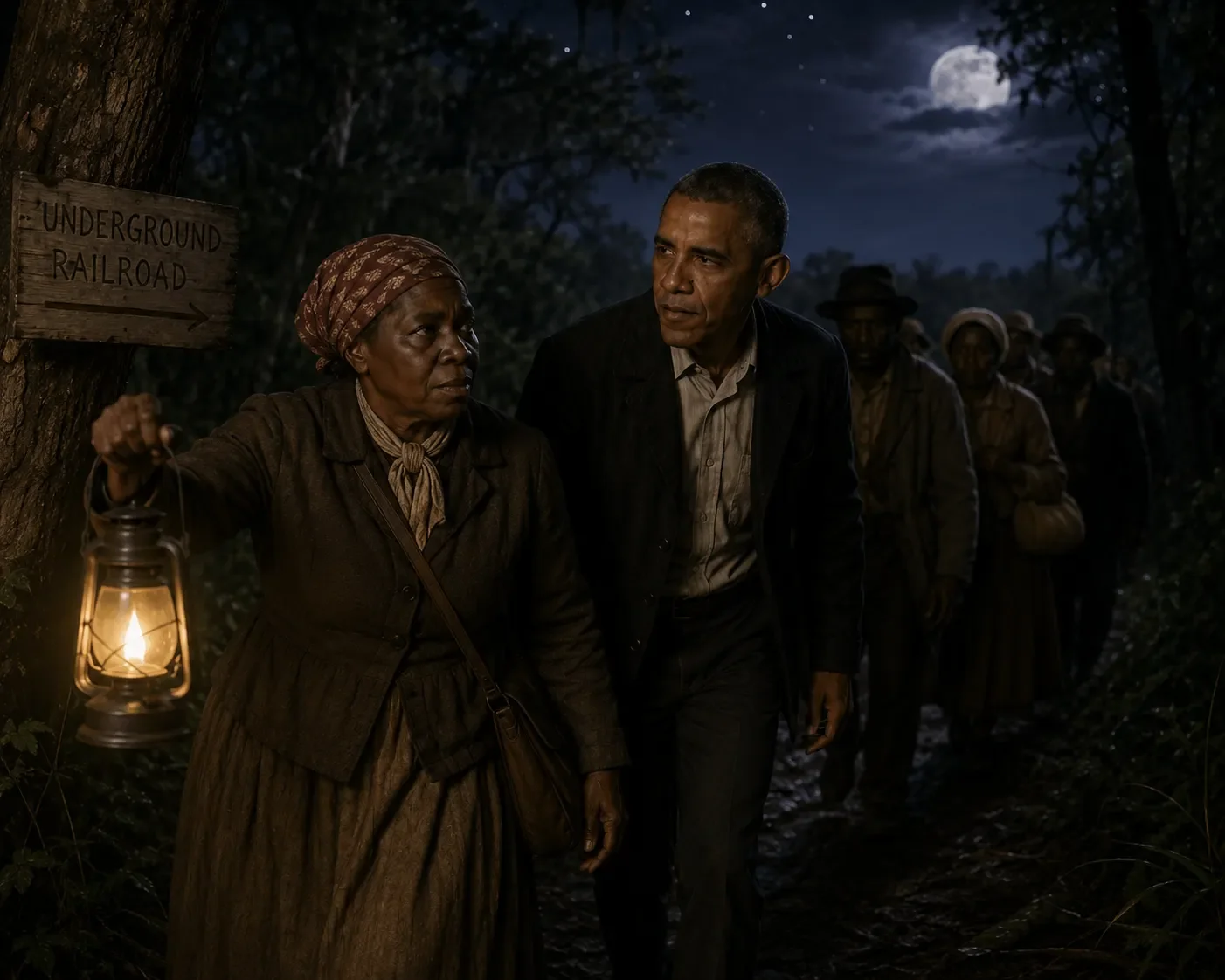
The phrase “skin folk ain’t always kinfolk,” long used in Black communities, speaks directly to this tension. Shared appearance does not automatically create shared political interests, cultural understanding, or lived experience. Yet Democrats and media institutions often treated Obama’s skin color itself as political proof of racial progress. His image was repeatedly tied to iconic Black American figures and movements in ways designed to deepen emotional legitimacy. Campaign imagery frequently linked him to the civil rights legacy of figures like Dr. Martin Luther King Jr., even though Obama’s own political positioning was often more supportive of institutional adherence than activist.
Throughout his presidency, Obama was framed culturally as the culmination of the civil rights movement. He appeared alongside legendary Black entertainers, ministers, athletes, and activists whose roots were deeply connected to Black American history. His speeches were delivered in historically symbolic Black spaces and churches. Media narratives constantly emphasized his racial symbolism, presenting his election almost as repayment for centuries of injustice. But critics argue symbolism became a substitute for substance.
The clearest example of this frustration came around reparations and economic repair. Democrats held periods of complete political control during Obama’s presidency, yet there was no major federal reparations initiative advanced for descendants of slavery. While discussions about healthcare, billions in Wall Street bailouts, climate policy, gay rights and international wars dominated the agenda of his presidency, direct material repair for Black Americans remained politically untouchable. This revealed the contradiction at the center of the “first Black president” narrative: America celebrated symbolism while avoiding accountability, and Democrats were able to claim to be the party of Black people without ever having to pay a dime for the policies they pushed that destroyed Black generational wealth and the Black family.
For many true Black Americans, the concern is not about denying Obama’s biracial heritage or personal identity. It is about questioning whether the Democratic party used racial optics to manufacture a sense of historical achievement without delivering any structural change. In this view, Obama became a token sophisticated enough to satisfy media narratives and progressive coalitions while sidestepping the economic and historical claims descendants of slavery have raised for generations.
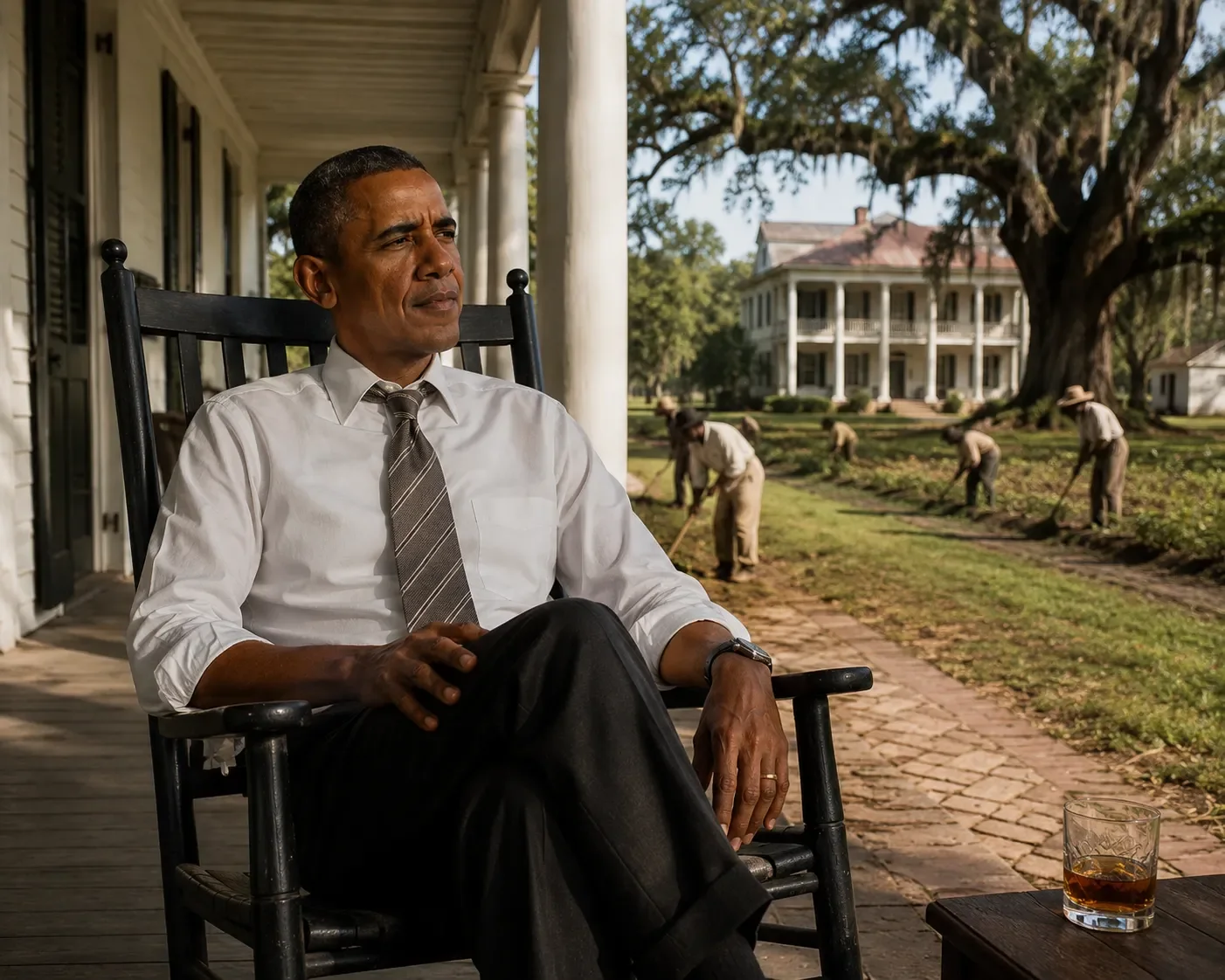
Over time, major White Left controlled educational institutions increasingly treated Blackness as a visual category rather than a historical and cultural one. This flattening erased distinctions between descendants of American slavery and newer immigrant communities whose histories, opportunities, and relationships to American institutions were different. The result was that Black American culture and struggle became something broader groups could inherit without sharing the historical burden.
This has resulted in billions of dollars in American tax payer money going directly into the pockets of the New Blacks, immigrants from countries like Kenya, Somalia and Ghana who receive immediate benefits like housing, healthcare and social welfare at higher amounts than the native Black Americans the Democratic party claims to represent and own come election season.
In that sense, the argument is not simply about Barack Obama. It is about the gap between representation and repair. It is about whether America confused visibility with true racial justice. And it is about whether the Democratic party discovered that symbolism could be far more convenient than delivering on promises made to descendants of slavery for generations.
The same debate resurfaced around Vice President Kamala Harris. Critics argued Democrats again emphasized racial imagery and representation while avoiding discussions about distinctions between immigrant heritage and the historical identity associated with Foundational Black Americans. Harris, whose father is Jamaican and mother is Indian, was frequently presented alongside Black American political and cultural institutions as part of a broader diversity narrative. Critics saw this as another example of political institutions treating Blackness primarily as a visual identity rather than a historically specific one.
To supporters, Obama will always represent a milestone in American history. To Foundational Black Americans, however, the “first Black president” was less a historical fact than a carefully marketed political narrative, one that celebrated the image of “progress” while leaving many Black issues unresolved.
