
How Dems made the "Welfare Queen" Black
How the Democrats changed “Welfare Queen” from one bizarre criminal case into a broader caricature of a the lazy Black single mother.
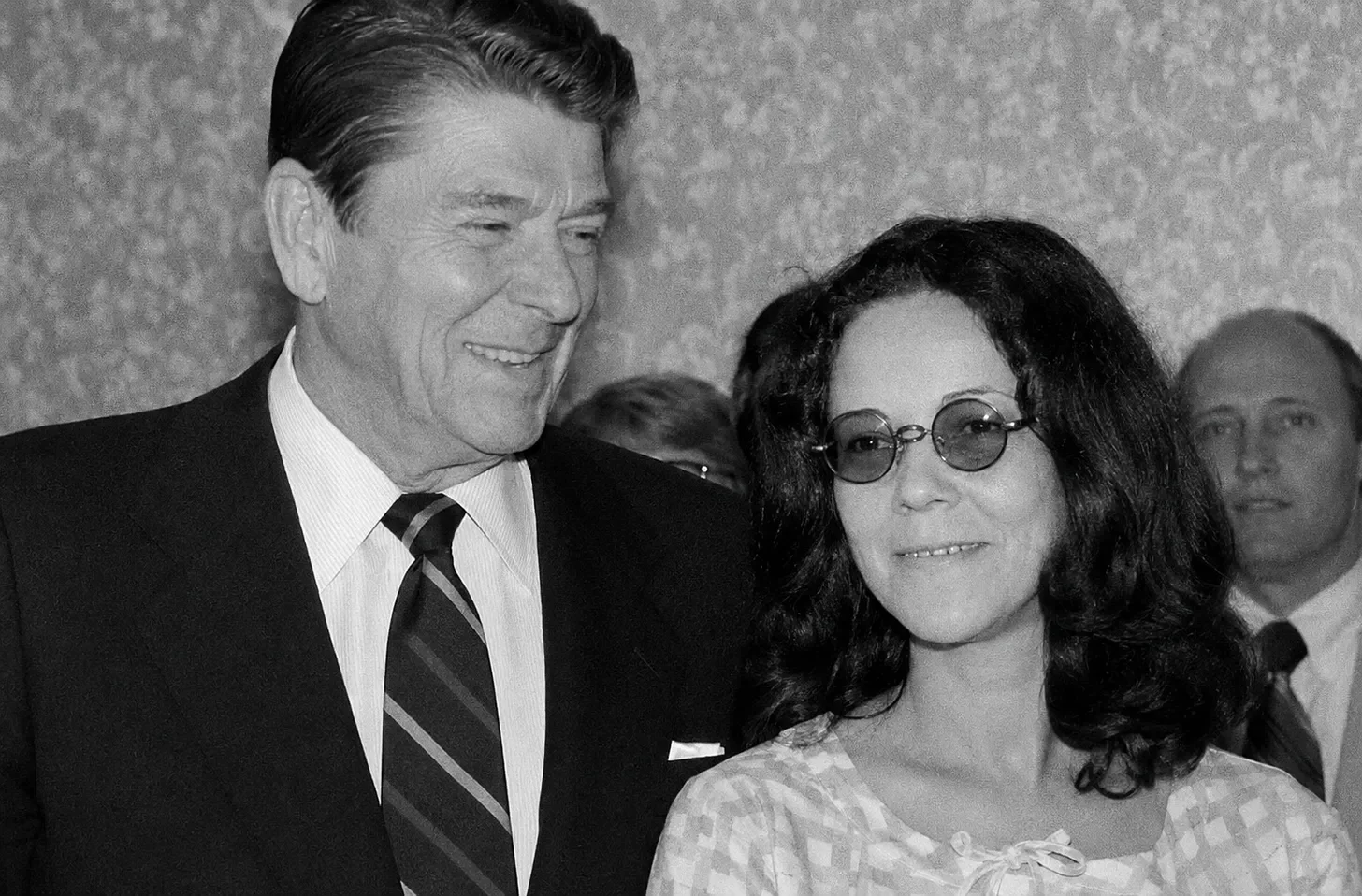
The original “Welfare Queen” wasn’t the black female caricature America eventually came to imagine. She was a real white woman named Linda Taylor, a con artist from Chicago who used dozens of aliases, manipulated welfare systems, and was investigated for crimes ranging from fraud to kidnapping. Even journalists who later dug through her history concluded welfare fraud may have been the least disturbing thing she was connected to.
But what made Linda Taylor historically important wasn’t just who she was. It was what Democratic politicians, media outlets, and eventually the American public turned her into.
Taylor herself had a racially ambiguous background. Depending on the circumstance, she reportedly presented herself as white, Black, Latina, or mixed-race. Investigators and reporters described her as a “shape shifter” who altered her appearance, wigs, accents, and identities constantly. But in reality, she was a white woman from Chicago who purposefully changed appearances to swindle hundreds of thousands of dollars out of the American welfare system.
Then came the political machine.
During the 1976 presidential campaign, Ronald Reagan repeatedly referenced Linda Taylor in Chicago who drove a Cadillac while collecting massive amounts of government aid under fake names. He rarely said her name outright, but did refer to her as a “Welfare Queen”. He never mentioned her race. But that didn’t stop Democrats from calling him racist.
By the 1970s, welfare in the American imagination had already become increasingly racialized. Although white Americans accessed the bulk of welfare services, as more Black Americans gained access to social programs, media portrayals of poverty shifted. Images of struggling white families faded into the background while stories about “urban dependency,” “welfare abuse,” and “public aid crises” increasingly centered Black women.
That’s when the stereotype took hold.
The actual Linda Taylor became less important than the symbol Democrats and left leaning commentators built around her. The phrase “Welfare Queen” transformed from one bizarre criminal case into a broader caricature: the lazy Black single mother gaming the system while hardworking taxpayers footed the bill. It became one of the most successful political archetypes of the late 20th century, as more and more Democrats focused attention on what they considered racial discrimination by the President.
And here’s the irony: even researchers and journalists who examined Taylor’s life closely found she was an extreme outlier, not a representation of typical welfare recipients. But once the image entered American culture, facts stopped mattering. The stereotype became emotionally useful, especially in debates over welfare cuts, poverty programs, and race. Discuss fraud and a Republican would automatically be labeled a “racist”, a pattern we saw recently during investigations into billions of Somali-based fraud in Minnesota.
The result was decades of political messaging where “welfare abuse” became visually and culturally tied to Black womanhood, despite welfare recipients in America being majority white. Scholars and historians have repeatedly pointed to the “Welfare Queen” narrative as one of the clearest examples of coded racial politics in modern America, but forget to mention that it was the Democratic party that tied this stereotype to struggling Black women.
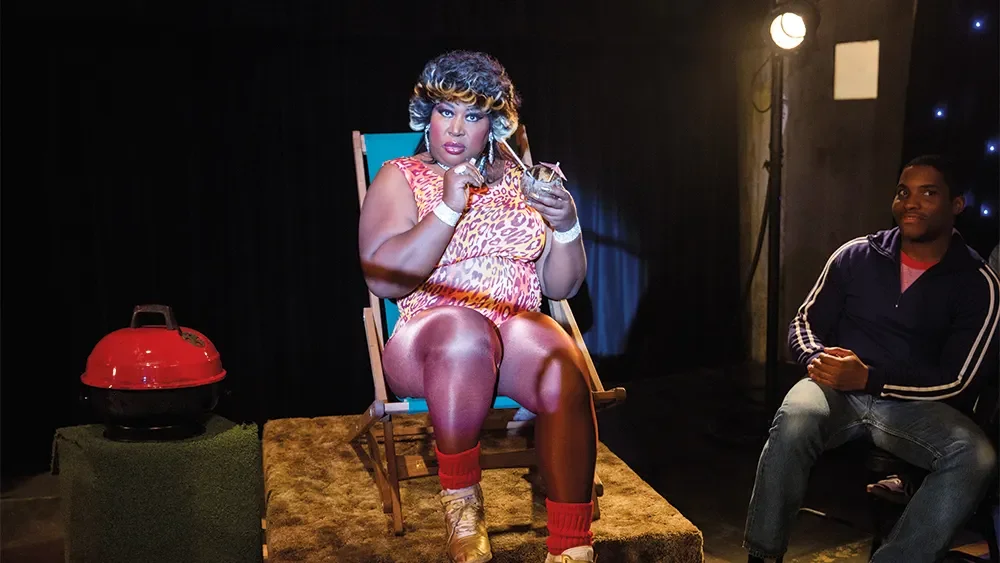
The Welfare Queen in Netflix “Glow” matched the stereotype Dems established
The trope held so long that even shows in the past decade depict the “Welfare Queen” as a Black woman, seen recently in Netflix’s Glow where a women’s pro-wrestler claimed the name and uses the over exaggerated stereotype in her performances.
The “welfare queen” Linda Taylor was real and a white woman.
But it wasn’t convenient to the Democrats to address her actual race, because the stereotype built around her was something that could be weaponized against those calling out systemic fraud and failed liberal policies. And because of that, when we hear the term “welfare queen” many of us still think of a Black woman.
